
Atlanta Metropolitan spans a wide corridor of cities - from downtown Atlanta to Peachtree City, Lilburn, Loganville, Winder, and Lithia Springs - giving travelers a genuine choice between urban core access and quieter suburban bases. Whether you're here for a Falcons game at Mercedes-Benz Stadium, a visit to the Georgia Aquarium, or a business trip near Hartsfield-Jackson, where you stay within the metro area directly shapes your daily logistics and costs. This guide covers six central hotels across the Atlanta Metropolitan area, chosen to help you match your location to your actual itinerary.
What It's Like Staying in Atlanta Metropolitan
Atlanta Metropolitan is not a single destination - it's a sprawling network of cities connected by interstates, where driving is the default mode of transport and walkability varies sharply by submarket. Downtown Atlanta offers MARTA rail access and walkable cultural attractions, while suburban areas like Peachtree City or Loganville require a car for virtually every trip. Traffic on I-20, I-85, and I-285 peaks hard during morning and evening commutes, which makes your hotel's highway proximity more relevant than its distance in miles. The metro draws a mix of convention travelers, sports fans, theme park visitors, and extended-stay business guests - making it one of the most functionally diverse hotel markets in the Southeast.
Pros:
MARTA rail connects downtown hotels directly to Hartsfield-Jackson airport in around 25 minutes, cutting ground transport costs significantly
Suburban hotels in Lithia Springs or Lilburn offer free parking and lower nightly rates than comparable downtown properties
The metro's spread means you can position yourself close to specific attractions - Six Flags, Stone Mountain, or Centennial Park - rather than paying a premium for a central location you don't need
Cons:
Without a car, suburban options like Winder or Loganville become impractical - public transport is minimal outside the Atlanta city core
Interstate congestion can add 30 to 45 minutes to trips that look short on a map, especially during peak hours
Downtown Atlanta hotel rates spike sharply during conventions at the Georgia World Congress Center, requiring early booking or suburban alternatives
Why Choose Central Hotels in Atlanta Metropolitan
Central hotels in the Atlanta Metropolitan area cover a wide spectrum - from extended-stay suburban properties positioned along key interstates to full-service hotel suites in downtown Atlanta. The defining advantage of choosing a centrally located property in this metro is highway access: hotels on I-20, I-85, or US-78 can reach multiple districts within 30 minutes under normal traffic conditions. Extended-stay formats dominate the suburban central market, offering kitchenettes and weekly rate structures that cut costs for stays beyond three nights. Downtown central hotels, by contrast, command a premium but deliver walkable access to Centennial Olympic Park, the World of Coca-Cola, and the CNN Center - attractions that are otherwise a car trip away.
Pros:
Central interstate positioning gives quick access to multiple Atlanta Metro districts without paying downtown prices
Extended-stay rooms with kitchens reduce daily food costs - a key advantage for travelers staying around 5 nights or more
Properties near MARTA stations eliminate the need for a rental car entirely for airport transfers and core sightseeing
Cons:
Budget central hotels on suburban interstates often sit in commercial strips with no walkable dining or entertainment nearby
Noise from I-20 or I-85 corridor traffic can be noticeable in lower-floor rooms at highway-facing properties
Mid-range suburban central hotels typically lack on-site dining, requiring a car trip for every meal
Practical Booking & Area Strategy
Your best positioning strategy in Atlanta Metropolitan depends entirely on your purpose. For downtown sightseeing - Georgia Aquarium, World of Coca-Cola, Mercedes-Benz Stadium, Centennial Olympic Park - staying within Atlanta's core near a MARTA station saves both time and parking fees, which can reach $30 per day in downtown garages. Lithia Springs and Lilburn are strong value bases for travelers visiting Six Flags Over Georgia or Stone Mountain Park respectively, with free parking and lower nightly rates than the city center. Peachtree City is well-suited for visitors to Trilith Studios or Fayette County, with access to an unusual 90-mile golf cart trail network running through the city. For travelers flying in and out of Hartsfield-Jackson, properties on the I-20 West corridor in Lithia Springs shave the airport drive to around 34 km, while Winder-area hotels suit those exploring the northeastern metro near Fort Yargo State Park or Athens. Book at least 6 weeks ahead for visits coinciding with major Atlanta conventions, SEC football weekends, or summer theme park season to avoid rate spikes across all segments.
Best Value Central Hotels
These properties deliver practical central positioning across the Atlanta Metropolitan corridor - strong interstate access, free parking, and extended-stay-friendly amenities at rates that keep costs manageable for multi-night trips.
-
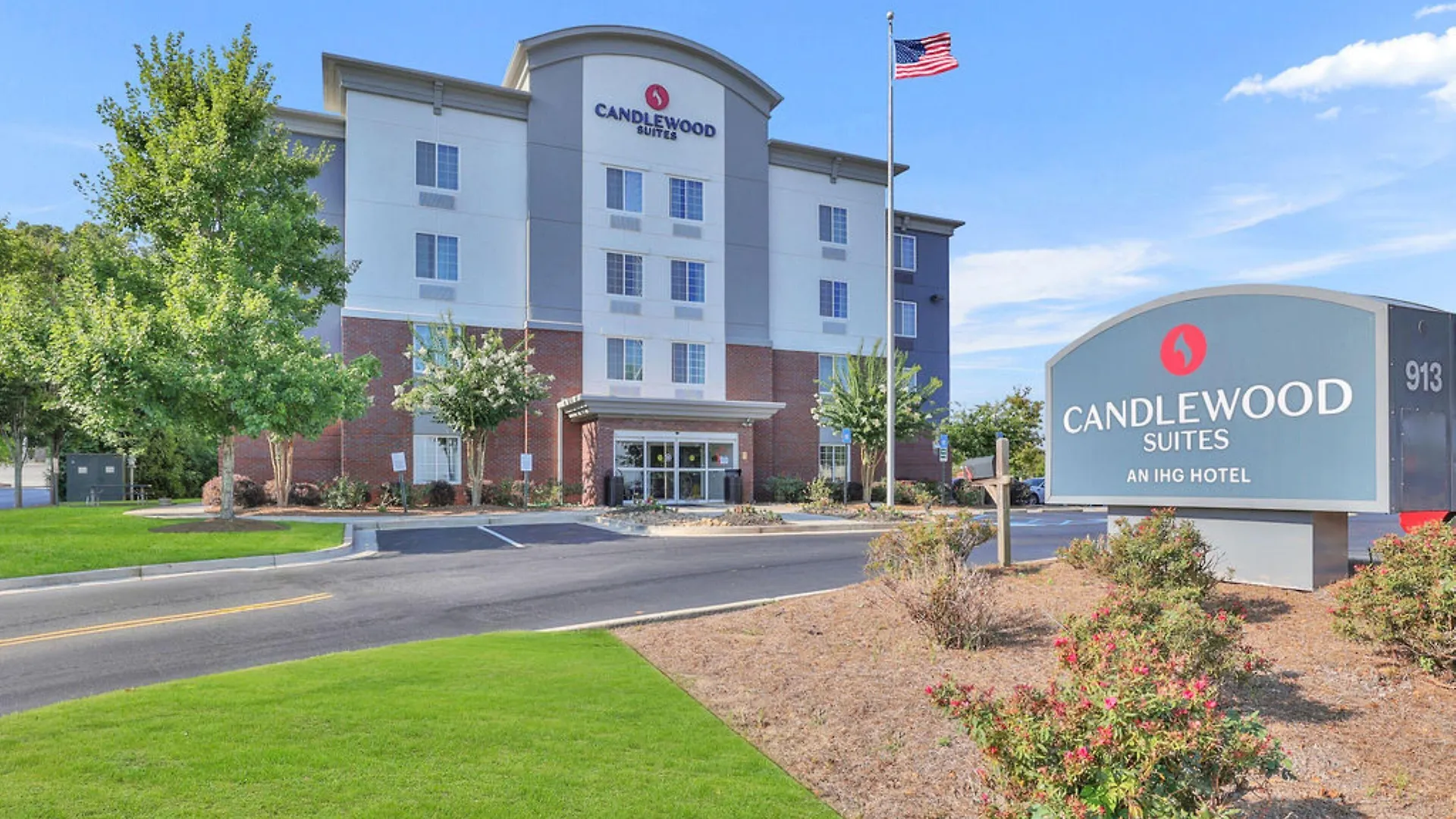
1. Candlewood Suites Atlanta West I-20 By Ihg
Show on map


 Check-infrom 15:00 until 23:59Check-outuntil 11:00
Just a few rooms left at the best rate!
fromUS$ 114
-
2. Sleep Inn Peachtree City - Atlanta
Show on map


 Check-infrom 15:00 until 23:59Check-outuntil 11:00
Just a few rooms left at the best rate!
fromUS$ 85
-
3. Quality Inn Loganville Us Highway 78
Show on map


 Check-infrom 16:00 until 23:59Check-outuntil 11:00
Hurry – almost gone at this price!
fromUS$ 85
-
4. Intown Suites Extended Stay Atlanta Ga - Lilburn
Show on map


 Check-infrom 11:00 until 18:00Check-outfrom 11:00 until 12:00
Hurry – almost gone at this price!
fromUS$ 47
-
5. Jameson Inn Winder
Show on map


 Check-infrom 15:00 until 23:00Check-outfrom 07:00 until 11:00
Rooms filling fast – secure the best rate!
fromUS$ 66
Best Premium Central Stay
For travelers prioritizing downtown Atlanta access, walkability to major landmarks, and hotel-quality amenities, one property in the metro stands clearly apart from the suburban options above.
-
6. Twelve Downtown, Autograph Collection
Show on map


 Check-infrom 15:00 until 23:59Check-outuntil 12:00
Rooms filling fast – secure the best rate!
fromUS$ 209
Smart Travel & Timing Advice for Atlanta Metropolitan
Atlanta Metropolitan hotel rates follow a clear seasonal pattern driven by conventions, college football, and summer theme park traffic. March through May and September through November represent the sweet spot - comfortable temperatures, lower crowd volumes at Stone Mountain and Six Flags, and more competitive hotel pricing across the metro. Summer (June-August) pushes occupancy up sharply at family-oriented properties near Six Flags and Stone Mountain, and downtown rates spike during major events at State Farm Arena and Mercedes-Benz Stadium. The Georgia World Congress Center runs large conventions throughout the year, so checking the convention calendar before booking downtown is a real money-saving step. For suburban properties on I-20 or US-78, last-minute availability is more common outside summer weekends, but booking at least 4 weeks ahead is still advisable for weekend stays near Six Flags or during SEC football season. Most visits covering downtown Atlanta sightseeing, a day at Stone Mountain, and a Six Flags visit realistically require around 4 nights to avoid feeling rushed. Extended-stay properties in Lilburn or Lithia Springs offer weekly rate discounts that reduce per-night costs significantly for stays of 7 nights or more.


